

- Product
-
News
NewsZhaoming Technology has a high-quality technical team with rich experience and professional knowledge, and is in a leading position in the field of mold making and processing. We continuously introduce advanced production equipment and processes to maintain our competitive advantage in the industry.
 Taking the revitalization of national industry as one's own responsibility
 -
Service
ServiceWe are a company with decades of experience in mold making and processing, specializing in the production of plastic parts and non-standard metal stamping parts.
 Taking the revitalization of national industry as one's own responsibility
 -
About us
About usZhaoming Technology, founded in 1995, has decades of experience in mold making and processing.
 Taking the revitalization of national industry as one's own responsibility
 -
Contact us
Contact usWe look forward to establishing a long-term and stable cooperative relationship with you, to develop together and create a better future!
 Taking the revitalization of national industry as one's own responsibility
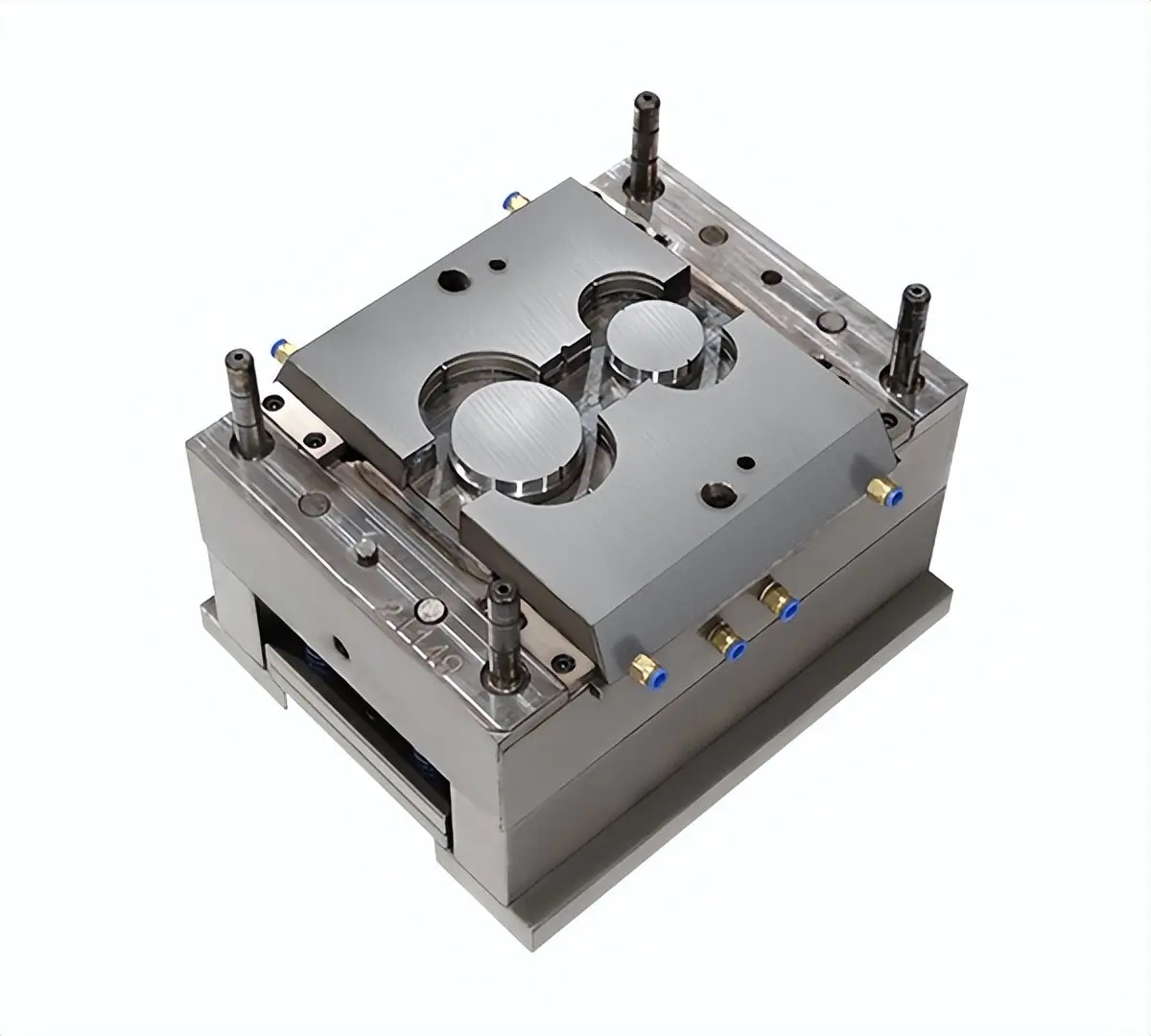 Mould Design
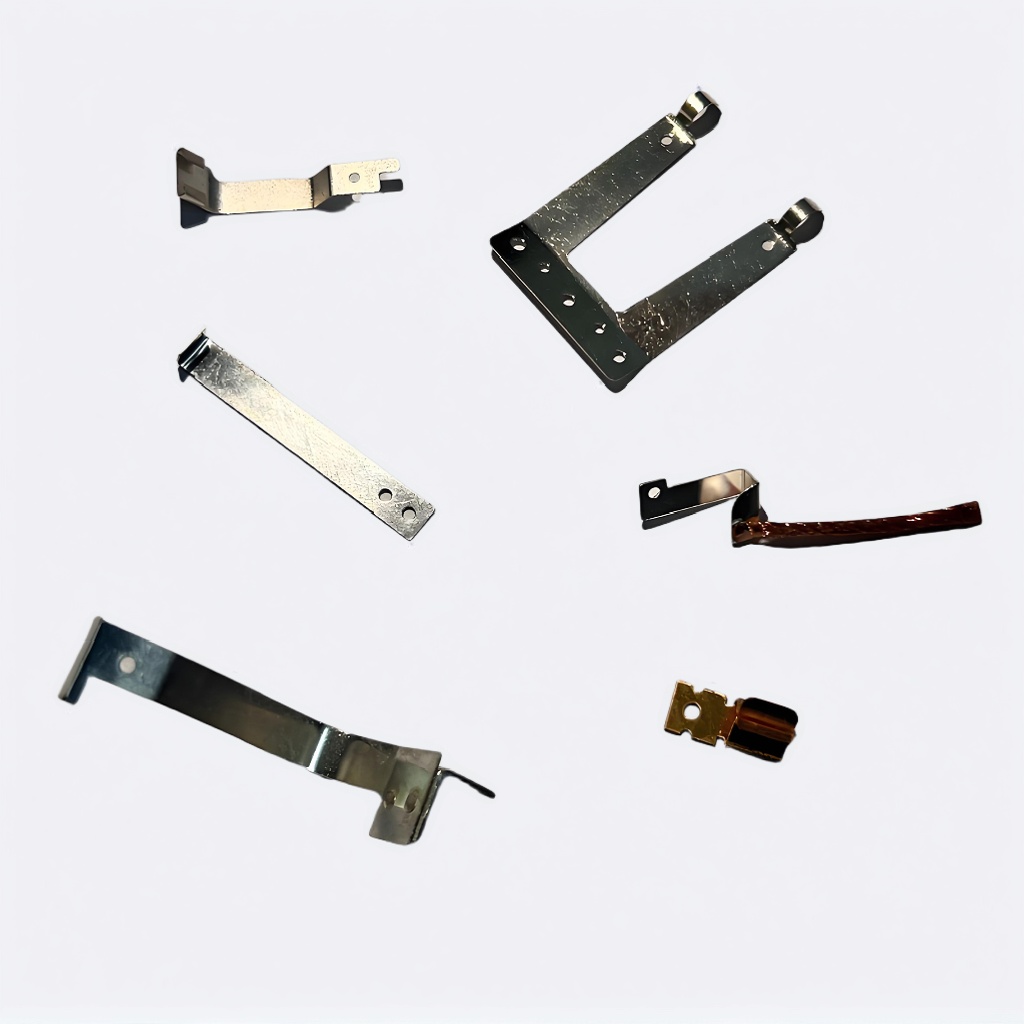 Precision stamping parts
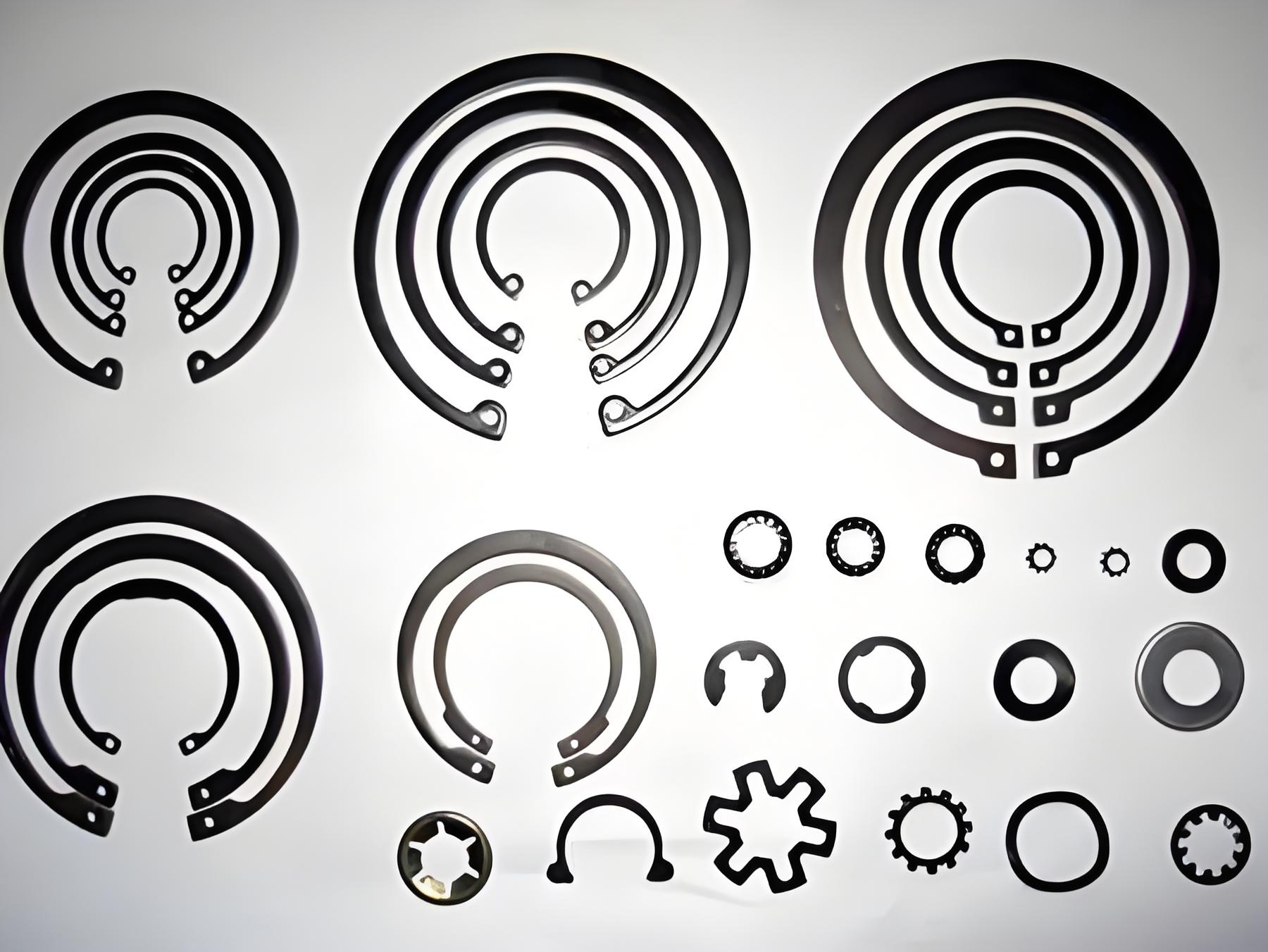 Card spring washer
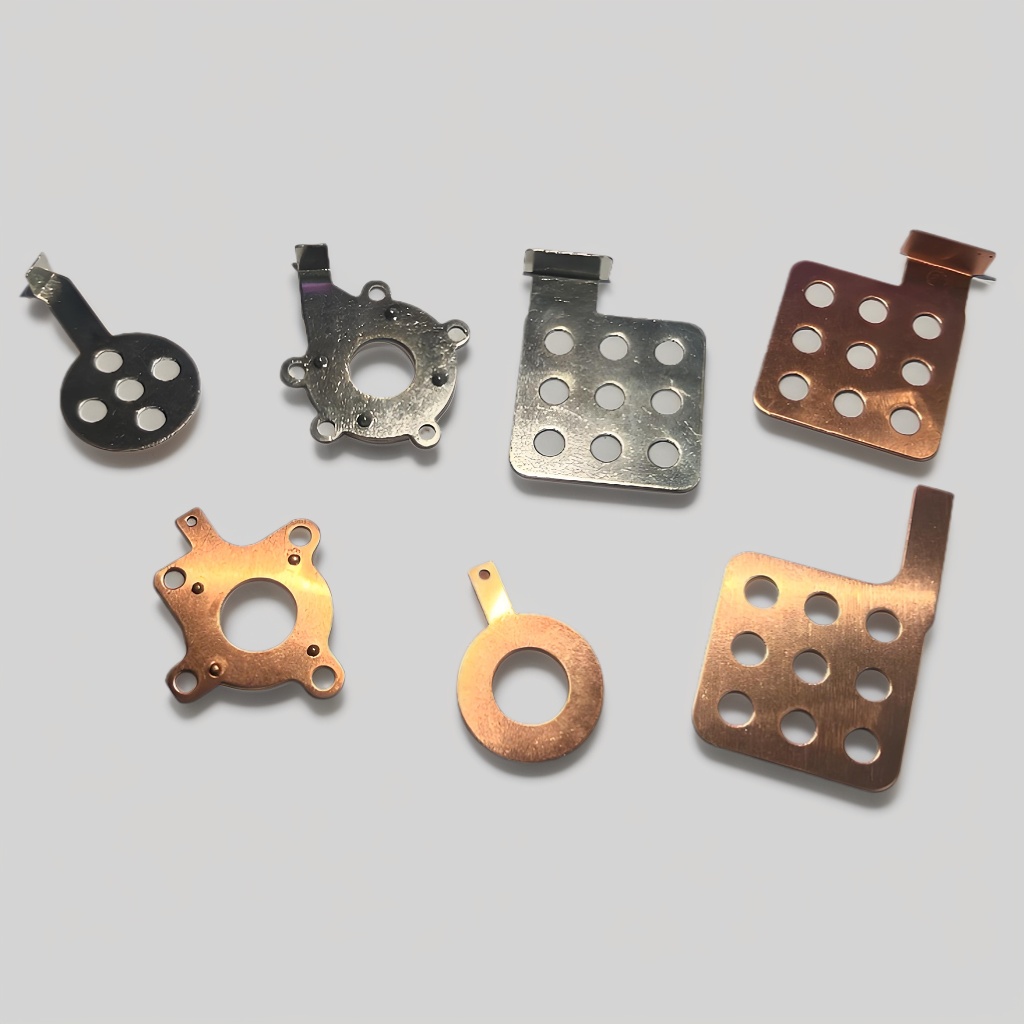 Chip electrode sheet
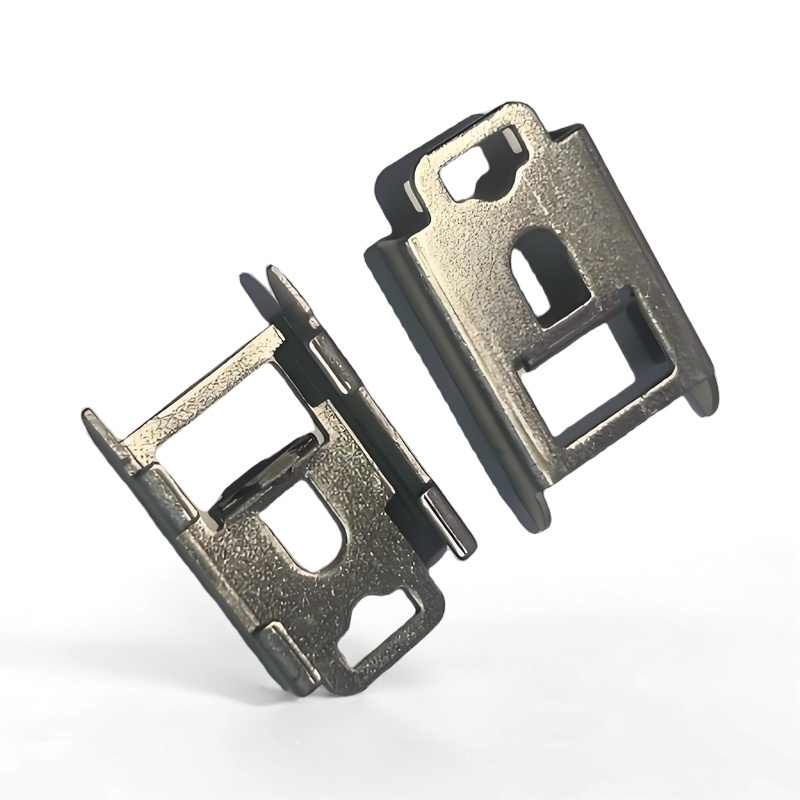 Buckle
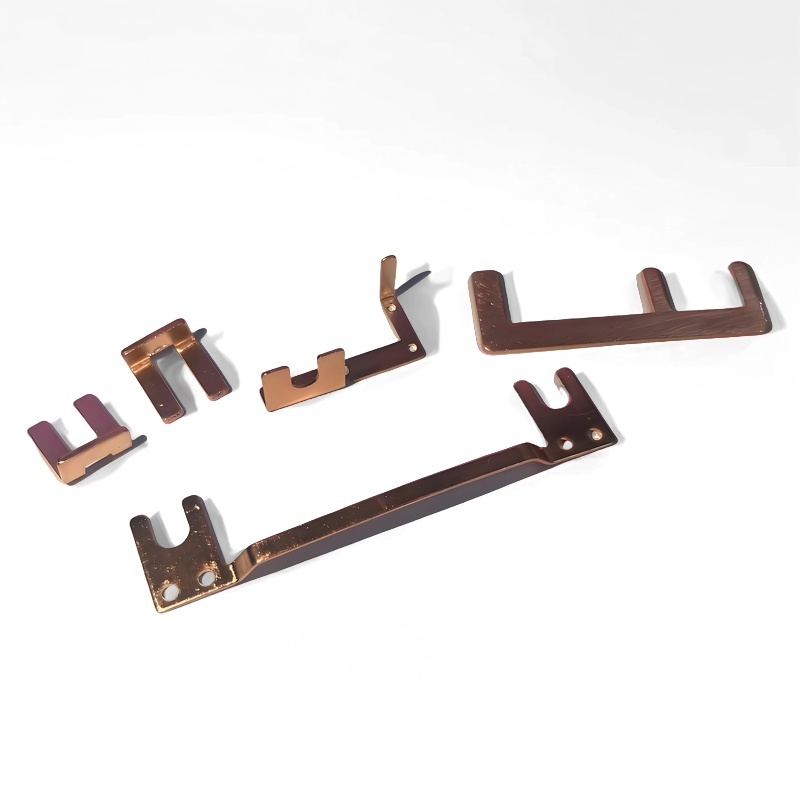 Connecting terminal
How to improve the corrosion resistance of metal stamping pa
2025-02-24
The development trend and challenges of metal stamping parts
At present, although the service life of hardware accessories follows industry standards, most accessories can achieve a service life of more than 15000 times and a neutral salt spray test inspection standard of 96 hours, theoretically having a service life of more than ten years. However, as an important component of doors and windows, hardware accessories not only need to meet the performance requirements for mechanical use, but also need to have certain decorative properties. Rough, corroded, and discolored hardware parts are not popular among users, especially in the context of high-end residential areas and increasingly improved decoration levels. Metal stamping parts also need to adapt to this trend.
1、 Improve the corrosion resistance of black metals
The materials widely used in metal stamping parts are carbon steel, such as transmission locks, lining steel, etc. Improving the corrosion resistance of carbon steel is crucial in addressing its susceptibility to corrosion. In the Shanghai area, due to frequent exposure to rainwater and sunlight, some metal stamping parts have severely corroded on the surface in contact with PVC profiles after less than three years of use. This is mainly due to the fact that during the aging process of PVC profiles, HCL will dissociate from the surface under the action of light and heat, which has a strong corrosive effect on the galvanized layer. In addition, a thin coating is also an important cause of corrosion. Therefore, increasing the thickness and integrity of the galvanized layer, as well as improving the electroplating process, have become the key to improving the corrosion resistance of metal stamping parts.
2、 The current situation and development trend of China's metal stamping industry
Overall, China is a major producer of metal stamping parts processing molds, but not a production powerhouse. Compared with developed countries, there is still a significant gap in quality, accuracy, and lifespan of our products. However, with the sustained and rapid development of the mold industry, China's products are moving towards larger, more precise, complex, and economically rapid directions. At the same time, the production of stamping parts processing molds is gradually developing towards informatization, digitization, refinement, high-speed, and automation. In order to improve the quality and service life of molds, the development and application of new materials for molds and new processes for heat and surface treatment have become key.
3、 The importance of stamping molds
Stamping die is an indispensable specialized tool in stamping processing, which processes materials (metal or non-metal) in batches into the required stamping parts. Without qualified stamping dies, it is difficult to carry out mass stamping production; Without advanced stamping dies, advanced stamping processes cannot be achieved. Therefore, stamping dies play a crucial role in stamping.
conclusion
With the continuous changes in market demand and advances in technology, the metal stamping industry is facing unprecedented challenges and opportunities. In order to meet the needs of users and enhance competitiveness, the industry must constantly innovate and improve, improving the quality and performance of products. At the same time, it is also necessary to pay attention to environmental protection and sustainable development, and promote the green transformation of the industry.
Headquarters(Wenzhou Zhaoming Electric Technology Co., Ltd)
Add:Jingjiu Road, Botong Huigu, Yueqing Economic Development Zone, Wenzhou City, Zhejiang Province
Tel:15990752235
i-CallPhone


Mobile
Wenzhou Zhaoming Electric Technology Co., Ltd. specializes in plastic parts and non-standard metal stamping parts
© Copyright 2019~2024 Wenzhou Zhaoming Electric Technology Co., Ltd ALL RIGHTS RESERVED. 浙ICP备2024139224号-1
Wenzhou Zhaoming Electric Technology Co., Ltd Technical support